
Fall DPF and Exhaust System Inspections for Permian Basin Oilfield Trucks
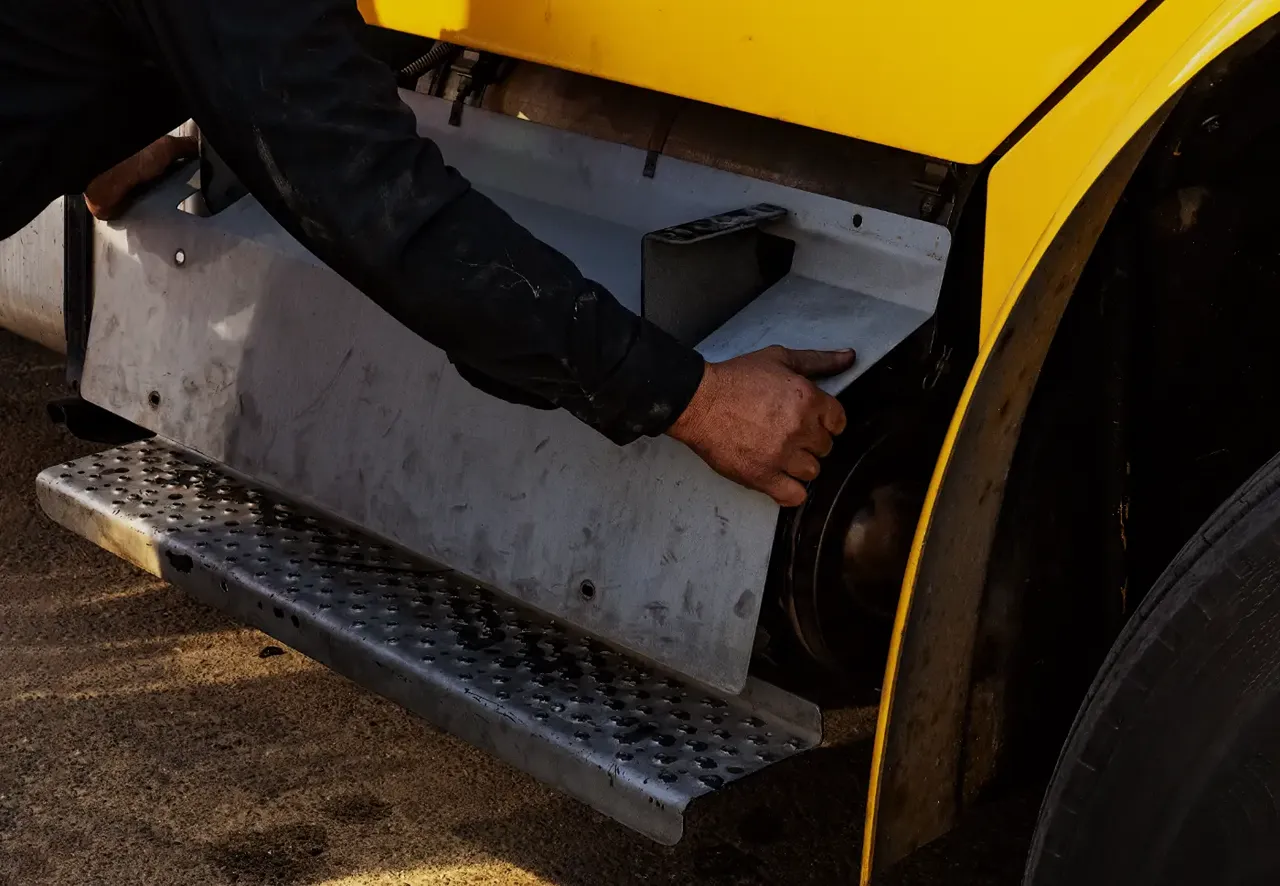
A truck hauling equipment between Midland and Odessa might handle highway miles without trouble, only to trigger a regeneration warning after hours of idling at an oilfield site. Extended idling and inconsistent engine loads can interfere with DPF regeneration, leading to soot buildup and potential engine derates. Scheduling DPF repair during October can help identify these problems before they leave your trucks stranded on remote lease roads.
Why Does Fall Matter for DPF and Exhaust System Inspections?
October brings milder temperatures to the Permian Basin after months of intense summer heat. Although cold weather isn't the primary concern, fall offers fleet managers a practical opportunity to address accumulated wear and aftertreatment problems before they disrupt operations.
Oilfield service trucks experience operating conditions that differ considerably from those of long-haul highway tractors. Frequent stops, extended idling, low-speed travel, and changing engine loads all influence exhaust temperatures.
Your diesel particulate filter (DPF) needs sufficient heat to burn accumulated soot through a process called regeneration. When your truck spends too much time idling or running under light loads, exhaust temperatures may remain too low for effective passive regeneration.
Dusty lease roads also present maintenance challenges. While road dust doesn't directly clog a sealed DPF, vibration and debris can damage exposed exhaust pipes, wiring, and sensor connections.
For trucks moving between well sites and industrial yards in Midland County and Ector County, addressing these conditions early helps prevent unexpected interruptions.
How Can You Tell If Your Diesel Particulate Filter Needs Attention?
Your DPF captures soot particles before they leave the exhaust system. Regeneration burns away accumulated soot, but noncombustible ash remains and eventually requires professional cleaning or other service.
Repeated regeneration requests, rising exhaust backpressure, or reduced engine performance can indicate diesel exhaust regeneration problems.
Watch for these warning signs:
- Frequent regeneration cycles: Your truck requests regeneration more often than its normal operating pattern.
- Incomplete regeneration: The system repeatedly interrupts or fails to complete cleaning cycles.
- Elevated exhaust backpressure: Restrictions may interfere with exhaust flow and engine performance.
- DPF warning lights: Dashboard alerts indicate that the aftertreatment system needs attention.
- Reduced engine power: Certain unresolved faults can trigger an engine derate.
A commercial truck DPF inspection should include reviewing regeneration history, soot-loading estimates, applicable pressure readings, and stored diagnostic trouble codes.
One important distinction: soot and ash aren't the same thing. Regeneration burns soot, but it doesn't remove accumulated inorganic ash.
If your DPF has reached its ash-service limit, another forced regeneration won't solve the underlying restriction. Professional cleaning or replacement may be necessary, depending on the filter's condition and manufacturer specifications.
Why Should Oilfield Fleets Inspect Exhaust Pipes and Connections?
Rough lease roads and constant engine vibration can gradually loosen exhaust clamps, stress flexible piping, and damage mounting brackets.
These conditions make heavy-duty truck exhaust leaks an important maintenance concern, particularly for trucks that travel between remote well sites and the I-20 Midland–Odessa corridor.
Leaks upstream of certain aftertreatment components or sensors can affect exhaust flow, temperature measurements, and system operation. They may also allow hazardous exhaust gases to escape where they shouldn't.
Which Exhaust Components Need Inspection?
During fall maintenance, technicians should examine:
- Flex pipes for cracks, deterioration, and separation.
- Exhaust clamps and gaskets for looseness or leakage.
- Mounting brackets and hangers for damage.
- Exhaust piping for corrosion, cracks, and impact damage.
- Connections around the DPF, diesel oxidation catalyst, and SCR system.
A small exhaust leak can become more troublesome as vibration and operating hours accumulate.
If you notice unusual exhaust noise, visible soot around pipe joints, or exhaust odors, arrange a professional inspection before the problem worsens.
How Do DPF Pressure and Temperature Sensor Faults Affect Performance?
Sometimes the DPF isn't actually the problem. A faulty sensor can produce misleading readings, causing unnecessary regeneration requests or aftertreatment warnings.
DPF pressure sensor diagnostics help determine whether excessive backpressure comes from a genuine restriction or inaccurate measurements.
Differential pressure sensors measure the pressure difference across the DPF. Technicians use these readings alongside engine operating conditions and manufacturer specifications to assess potential restrictions.
However, damaged pressure tubes, plugged sensing lines, or faulty electrical connections can distort those measurements.
Exhaust gas temperature sensors are equally important because regeneration relies on controlled exhaust temperatures. An inaccurate temperature signal can interfere with regeneration or trigger diagnostic faults.
On trucks operating along rough lease roads, technicians should pay particular attention to sensor wiring, connectors, and exposed pressure lines.
Oilfield truck exhaust maintenance should focus on verifying the cause of a warning rather than assuming every fault requires a new DPF.
What DEF, SCR, and EGR Problems Should Be Checked During Fall?
Your aftertreatment system contains several components that work together to control emissions. A problem in one system can affect overall performance or create warning conditions elsewhere.
DEF and SCR System Inspections
Selective catalytic reduction (SCR) systems use diesel exhaust fluid (DEF) to reduce nitrogen oxide emissions.
When performing DEF system repair or diagnostics, technicians may inspect:
- DEF fluid quality and possible contamination.
- DEF tanks, lines, and delivery components.
- DEF dosing equipment for proper operation.
- NOx sensors and related electrical connections.
- SCR fault codes and system performance data.
Contaminated DEF, dosing failures, and sensor malfunctions can cause emissions warnings and, on applicable trucks, engine power limitations.
These issues deserve attention before sending a truck to a remote worksite where repairs may be more difficult to arrange.
EGR System Inspections
Your exhaust gas recirculation (EGR) system redirects a controlled portion of exhaust gas into the engine to help reduce combustion temperatures and nitrogen oxide formation.
A malfunctioning EGR valve or leaking EGR cooler can affect combustion and contribute to abnormal soot production or engine performance problems.
When a truck repeatedly experiences DPF restrictions, checking the EGR system and underlying engine condition can help identify the actual cause.
Why Are Professional Diagnostics Better Than Repeated Forced Regenerations?
Forced regeneration can be appropriate under specific conditions, but it isn't a universal fix.
Repeatedly performing forced regenerations without identifying the cause of recurring warnings may leave exhaust leaks, sensor faults, excessive soot production, or ash restrictions unresolved.
For Permian Basin DPF repair, a systematic diagnostic process can include:
- Retrieve active and stored engine and aftertreatment fault codes.
- Review regeneration history and operating data.
- Compare exhaust pressure and temperature readings with manufacturer specifications.
- Inspect exhaust plumbing, sensors, and electrical connections.
- Evaluate DEF, SCR, and EGR faults where applicable.
- Recommend cleaning, component repair, or replacement based on confirmed findings.
This approach helps avoid unnecessary component replacement while reducing the likelihood of repeat failures.
For fleets seeking diesel exhaust repair, accurate troubleshooting is especially valuable when downtime interrupts time-sensitive oilfield operations.
What Texas Exhaust Inspection Requirements Apply to Commercial Trucks?
Texas continues to require annual safety inspections for covered commercial vehicles, even though routine safety inspections for most noncommercial vehicles ended in January 2025.
The Texas Department of Public Safety includes exhaust systems and applicable emissions equipment among commercial inspection items.
Midland and Ector counties aren't designated emissions-inspection counties, so operators shouldn't confuse commercial safety inspections with a separate local emissions test.
All repairs must preserve applicable emissions-control functionality. Removing or disabling required DPF, DEF, or SCR equipment isn't an acceptable repair solution.
Keep Your Oilfield Trucks Ready With Fall Exhaust Inspections
Fall maintenance gives Midland and Odessa fleet operators an opportunity to catch recurring regeneration problems, exhaust leaks, and sensor faults before they develop into costly breakdowns. For trucks working long hours across the Permian Basin, preventive inspections can help reduce unexpected downtime.
If your fleet is experiencing DPF warnings, exhaust problems, or engine derates, contact our team at Alpha Diesel Services for professional DPF and exhaust system diagnostics. Call (432) 282-6680 to schedule your fall DPF and exhaust inspection.
Frequently Asked Questions
How often should oilfield trucks have their DPF inspected?
Follow the truck manufacturer's maintenance schedule and adjust inspections based on duty cycle, operating hours, and diagnostic warnings. Trucks with extended idling or repeated regeneration problems may need more frequent attention.
Can excessive idling cause DPF problems?
Yes. Extended idling can produce exhaust temperatures too low for consistent passive regeneration, allowing soot to accumulate. The severity depends on engine design, operating conditions, and regeneration strategy.
Does driving on dusty oilfield roads clog a DPF?
Not directly. The DPF is part of a sealed exhaust system, so road dust normally doesn't enter it. However, dusty environments can affect engine air filtration, while rough roads may damage exposed exhaust components.
Can a faulty DPF pressure sensor cause an engine derate?
Yes. Incorrect pressure readings can trigger aftertreatment fault codes and, depending on the vehicle's control strategy, contribute to engine derates. Proper diagnostics should confirm the fault before replacing components.
Should a truck undergo forced regeneration every time the DPF warning light appears?
No. Follow the manufacturer's warning-light instructions and regeneration procedures. If warnings recur or regeneration fails, technicians should investigate possible restrictions, sensor malfunctions, and underlying engine problems before attempting additional forced regenerations.
Contact Us
Get in touch with Alpha Diesel Services in Midland & Odessa, Texas today to schedule the services you require, or for more information on how we can help!


Shops
Odessa: 11056 W Kassnar Dr, Odessa, TX 79764 United States
