
Oilfield Truck Tire Repair in the Permian Basin: Punctures, Leaks and Tire Damage
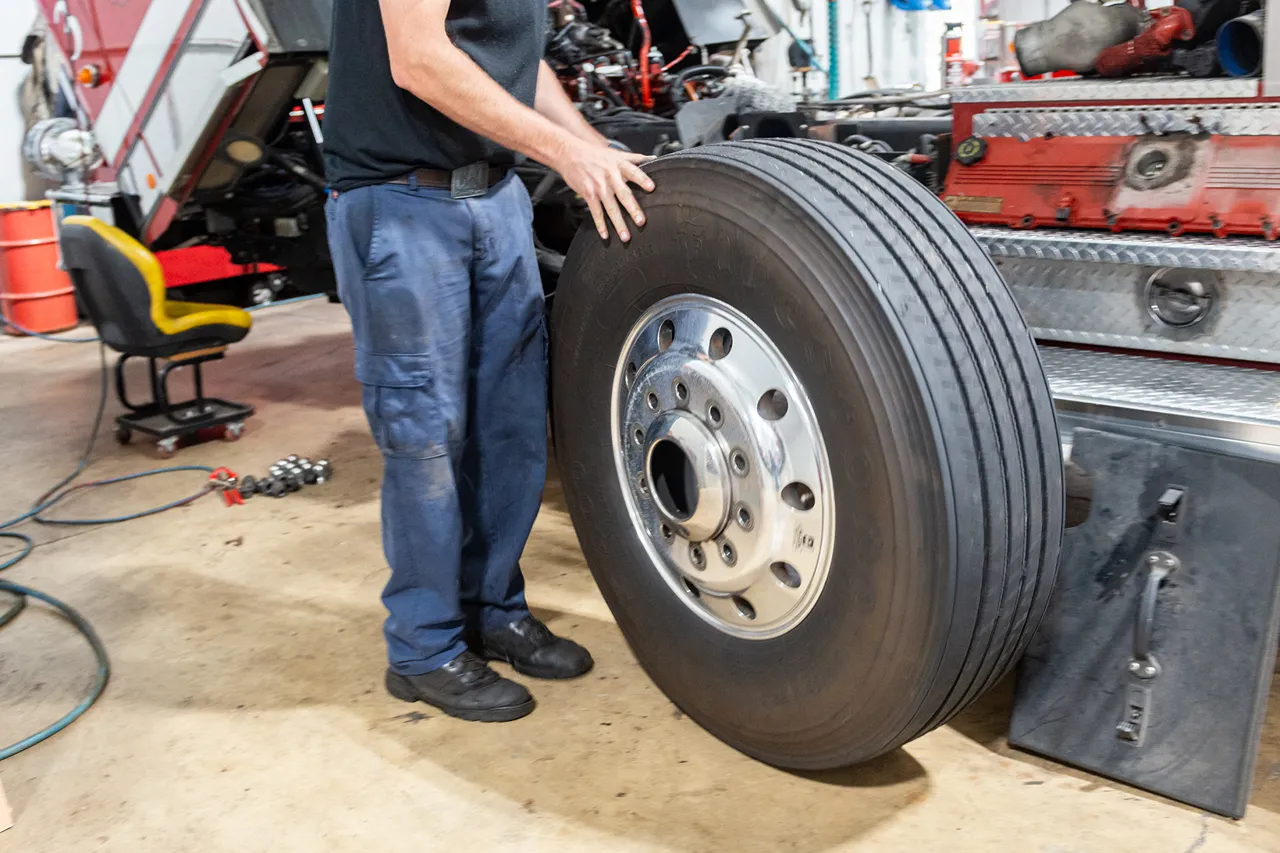
A small puncture can turn into a major setback when your oilfield truck is hauling a full load across the Permian Basin. Rough lease roads, sharp debris, and heavy axle loads create tire problems that ordinary highway driving rarely matches. With drilling activity continuing in Odessa and Ector County, knowing when a tire needs repair or replacement can help keep your fleet operating safely.
Why Do Oilfield Trucks Experience More Tire Damage in the Permian Basin?
Oilfield trucks regularly transition between paved highways, gravel access roads, and uneven well-site entrances. These changing surfaces expose tires to sharp rocks, metal fragments, deep ruts, and repeated impacts that can damage the tread, sidewalls, and internal casing.
Vacuum trucks, water-hauling tankers, and frac sand haulers face additional challenges because their tires must support substantial loads. Even minor pressure loss can increase tire flexing and heat buildup, weakening the casing over time.
Common causes of oilfield truck tire damage include:
- Sharp debris: Nails, metal fragments, and jagged rocks can puncture the tread.
- Heavy axle loads: Excessive loading or insufficient inflation increases tire stress.
- Rough lease roads: Ruts and exposed rocks can cut sidewalls or damage wheels.
- Repeated impacts: Potholes and uneven entrances can weaken tire structures.
- Improper inflation: Low pressure generates excess heat and accelerates irregular wear.
These conditions make heavy-duty truck tire repair and regular tire inspections essential for fleets travelling between well sites and major freight corridors.
How Are Oilfield Truck Tire Punctures Repaired?
Tread punctures are among the most common problems requiring oilfield truck tire repair that Odessa fleet operators seek. Sharp debris can penetrate the tread, creating air leaks that range from barely noticeable to rapid deflation.
A tire that repeatedly loses pressure may have an embedded object, even when the damage isn't obvious.
Identifying Repairable Tread Punctures
Professional semi-truck tire puncture repair starts with locating the injury and determining whether the tire remains structurally sound.
A technician typically:
- Inspects the tread for embedded objects, cuts, and abnormal wear.
- Checks the tire's inflation history and signs of underinflation.
- Demounts the tire to inspect its interior and casing.
- Measures the injury and verifies its location against the applicable repair limits.
- Performs an approved permanent repair if the tire qualifies.
Proper puncture repairs generally involve filling the injury channel and sealing the innerliner using an approved repair system. Simply pushing a plug into the tread without inspecting the tire internally can leave hidden casing damage undetected.
Not every puncture qualifies for repair. Injury size, location, tire construction, and manufacturer instructions determine whether the tire can safely return to service.
What Causes Slow Air Leaks in Commercial Truck Tires?
A tire doesn't need an obvious puncture to lose air. Damaged valve stems, loose valve cores, contaminated bead-seating surfaces, and wheel damage can all create gradual pressure loss.
For heavily loaded trucks travelling along State Highway 302, even a slow leak deserves attention before another long haul.
How Technicians Diagnose Tire Air Leaks
Professional commercial tire air leak repair focuses on identifying the actual source rather than repeatedly inflating the tire.
Technicians inspect the valve assembly, test suspected leak locations, and examine the tire-to-wheel sealing area. They may also inspect wheel components for corrosion, cracks, or deformation that could interfere with proper sealing.
Replacing a defective valve component or correcting a serviceable sealing problem may restore pressure retention, provided the tire casing remains safe.
Why Are Underinflated Dual Tires Dangerous?
Dual-tire assemblies require particular attention because one tire can lose pressure while its companion continues supporting the vehicle.
When that happens, the properly inflated tire may carry more than its intended share of the load. Meanwhile, the underinflated tire generates additional heat through excessive sidewall flexing.
Warning signs include:
- Unequal inflation pressures between dual tires.
- Unusual shoulder wear or irregular tread patterns.
- Excessive heat around a wheel assembly.
- Visible sidewall distortion or damage.
- Repeated pressure loss after inflation.
Operators should have both tires in the affected dual assembly inspected. Correcting one leak without checking its companion could leave another serious problem unresolved.
Can Sidewall Cuts and Tire Casing Damage Be Repaired?
Sidewall damage demands a different approach from ordinary tread punctures. Unlike the tread, the sidewall flexes continuously as the tire supports the truck's weight and absorbs road impacts.
On Permian Basin lease roads, sharp rocks and tight industrial entrances can produce cuts, abrasions, and impact injuries that compromise the casing.
Signs of Serious Tire Casing Damage
Watch for visible reinforcing cords, sidewall bulges, rubber separation, or deep cuts. These symptoms may indicate structural damage that makes continued operation unsafe.
Some commercial truck tire damage can qualify for specialized section repairs performed under applicable industry procedures. However, these repairs are not interchangeable with standard tread puncture repairs.
A qualified commercial tire specialist must evaluate the injury, casing construction, and manufacturer-approved repair limits. Tires with unacceptable structural damage require replacement rather than an improvised patch or plug.
When Should an Oilfield Truck Tire Be Repaired or Replaced?
The decision depends on more than whether a tire can hold air. Damage location, internal condition, remaining tread depth, and previous underinflated operation all influence repairability.
Federal tire regulations under 49 CFR §393.75 require at least 4/32 inch of tread depth on applicable front steering tires and 2/32 inch on other applicable tires.
They also prohibit operating covered commercial vehicles with flat tires, audible leaks, exposed reinforcing material, or tread and sidewall separation.
Meeting minimum tread-depth requirements doesn't automatically make a damaged tire safe. Professional inspection remains essential.
How Can Odessa Oilfield Fleets Reduce Tire-Related Downtime?
Preventive inspections help drivers identify problems before a tire fails on Interstate 20, Loop 338, or a remote lease road.
October's cooler mornings around Odessa also make cold inflation checks important, especially after months of summer operation.
Fleet managers can reduce avoidable tire problems by following several practices:
- Check inflation before trips: Use the correct cold inflation pressure for the load and tire specifications.
- Inspect tread and sidewalls: Look for embedded debris, cuts, bulges, and exposed reinforcement.
- Compare dual-tire pressures: Verify that both tires are properly inflated and suitable for the load.
- Monitor irregular wear: Investigate wear patterns before they become severe.
- Document recurring leaks: Track repeated pressure loss so technicians can identify unresolved problems.
Professional commercial truck tire inspections can also reveal damage caused by prolonged underinflation that drivers may not notice during a walkaround.
For water haulers, bulk commodity trucks, and equipment transport fleets, early diagnosis helps prevent minor tire problems from turning into costly interruptions.
Keep Your Oilfield Trucks Moving With Professional Tire Service
Oilfield tire problems rarely improve on their own. Whether your truck develops a tread puncture, slow air leak, or sidewall injury, identifying the damage early helps protect your equipment and your drivers.
If your fleet operates around Odessa and the Permian Basin, contact Alpha Diesel Services to discuss your truck's tire condition and available service options. A professional assessment can help you determine the safest next step before your next haul.
FAQs
Can a punctured oilfield truck tire be repaired?
Yes, some tread punctures can be professionally repaired if their size and location fall within approved limits and the internal casing remains undamaged. The tire must be inspected before repairability is determined.
What causes commercial truck tires to lose air without visible punctures?
Slow leaks can result from damaged valve stems, loose valve cores, wheel corrosion, or improper bead sealing. Leak testing helps identify the source so technicians can address the underlying problem.
Is it safe to drive an oilfield truck with a damaged sidewall?
No, you should not continue operating a truck with suspected structural sidewall damage. Deep cuts, bulges, exposed cords, and separation require immediate professional assessment.
How often should oilfield truck tires be inspected?
Drivers should inspect tires during required pre-trip checks and monitor them throughout operation. Fleets should also schedule more detailed inspections based on operating conditions, tire wear, and maintenance recommendations.
Why is tire pressure important for oilfield trucks carrying heavy loads?
Proper inflation supports the intended load, reduces excessive sidewall flexing, and helps control heat buildup. Underinflation increases the risk of casing damage, premature wear, and tire failure.
Contact Us
Get in touch with Alpha Diesel Services in Midland & Odessa, Texas today to schedule the services you require, or for more information on how we can help!


Shops
Odessa: 11056 W Kassnar Dr, Odessa, TX 79764 United States
