.webp)
Why Do Commercial Truck Batteries Fail So Quickly in Midland–Odessa?
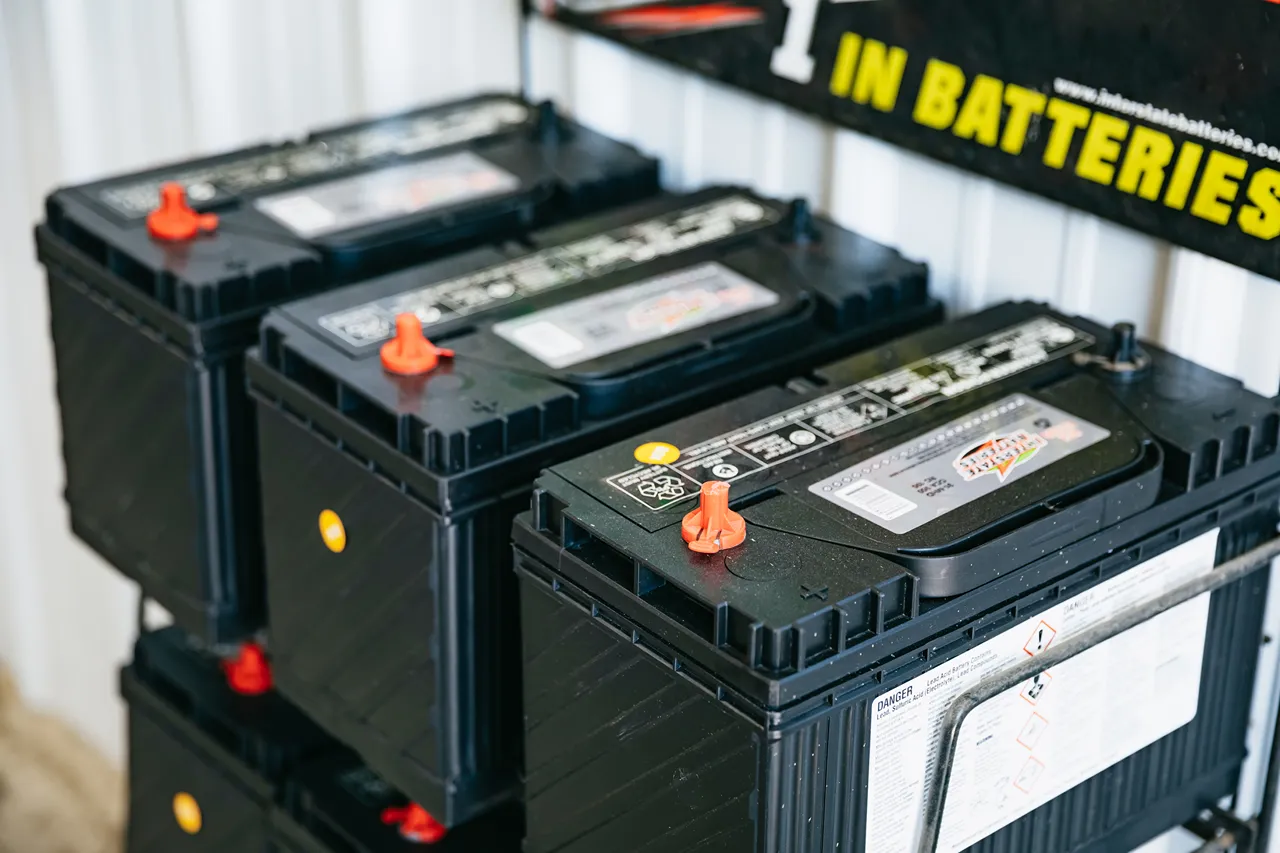
Your truck started without hesitation yesterday. Today, after a long shift in the Permian Basin, you turn the key and hear nothing but a weak click. It may seem like a major concern, but it’s actually pretty common.
Commercial truck batteries often wear out faster in Midland–Odessa because extreme heat, vibration, demanding duty cycles, and charging problems attack them from several directions. Understanding those stresses can help you prevent repeat failures and unexpected downtime.
Why Does Midland–Odessa Heat Shorten Commercial Truck Battery Life?
Cold weather gets blamed for dead batteries, but West Texas heat often causes the damage long before winter exposes it. High under-hood temperatures accelerate chemical reactions inside a heavy-duty truck battery, increasing internal corrosion and gradually weakening its ability to store power.
Summer temperatures around Midland and Odessa also raise the temperature beneath the hood after shutdown. That trapped heat can continue stressing battery plates, separators, terminals, and nearby wiring even when your engine is no longer running.
A battery may appear healthy through much of the summer, then fail during the first cooler morning. The temperature drop did not necessarily ruin it overnight; it simply revealed capacity that the heat had already taken away.
How Do Oilfield Roads Damage Heavy-Duty Truck Batteries?
Rough lease roads, washboard surfaces, potholes, and constant vibration can be brutal on a truck’s electrical system. Every hard impact shakes the battery, cables, hold-down brackets, and internal connections.
A loose battery can suffer vibration damage, including weakened internal plates and broken connections. Loose or undersized hold-down hardware also allows the case to move, which can strain terminals and cable ends.
Drivers operating around the Permian Basin should regularly check:
- Battery hold-down brackets for looseness or corrosion
- Battery cases for swelling, cracks, or leaks
- Cable ends for movement at the terminals
- Ground straps for fraying or broken mounting points
- Battery trays for rust, dirt, or physical damage
A secure battery lasts longer. Plain and simple, letting a heavy battery bounce around on an oilfield road is asking for trouble.
Can Long Idle Times Drain a Commercial Truck Battery?
Idling does not always recharge your batteries as effectively as highway driving. At low engine speeds, the alternator may produce less output while the truck continues powering lights, climate controls, communication equipment, safety systems, and cab accessories.
That imbalance can create a parasitic battery drain or gradual state-of-charge loss. The engine keeps running, so everything seems fine, but the battery bank may never recover the energy used during startup or extended accessory use.
High electrical loads may include:
- Air-conditioning blowers
- Auxiliary lighting
- Inverters and power outlets
- Refrigerators and cab electronics
- Telematics and GPS equipment
- Two-way radios
- Liftgates or hydraulic controls
- After-treatment heaters and control modules
Repeatedly operating batteries at a partial charge promotes battery sulfation, which reduces usable capacity. Eventually, the truck cranks slowly even though the batteries are not particularly old.
Is the Alternator Causing Repeat Battery Failures?
A weak alternator, slipping belt, damaged cable, or poor ground can leave the battery chronically undercharged. Replacing the battery without testing the truck charging system may lead to another no-start weeks or months later.
An overcharging alternator can be just as harmful. Excessive voltage can overheat batteries, accelerate water loss in serviceable designs, damage internal components, and shorten battery life.
A proper alternator output test should evaluate charging voltage and amperage under realistic electrical loads. Testing the system only with the headlights off and the engine unloaded may miss an intermittent or load-related fault.
How Do Corroded Battery Cables Affect Starting?
Corroded battery terminals may look like a minor maintenance issue, but they can cause slow cranking, clicking, intermittent power loss, and charging problems. Corrosion can also develop inside cable insulation or between a ground strap and the frame, where you cannot easily see it.
A technician can perform a voltage drop test while cranking the engine. This test helps locate excessive resistance in positive cables, negative cables, disconnect switches, starter connections, and frame grounds.
Cleaning the visible battery posts may not solve a damaged cable. When corrosion has travelled beneath the insulation, replacement is usually the more reliable fix.
Why Do Short Trips and Frequent Restarts Wear Batteries Out?
Commercial trucks working between Midland, Odessa, nearby yards, and oilfield sites may start and stop repeatedly throughout the day. Every restart demands a large burst of power from the batteries.
The alternator then needs enough operating time to replace that energy. Short trips, extended low-speed operation, and frequent shutdowns can prevent a complete recharge.
This operating pattern creates deep-cycle battery stress, especially when drivers use accessories with the engine off. Standard starting batteries are built to deliver high cranking current, not to support long accessory loads through repeated deep discharges.
Matching the battery design to the truck’s duty cycle matters. A vehicle with sleeper loads, auxiliary equipment, or engine-off electronics may need a different battery configuration than a basic day cab.
Can Dust and Dirt Cause Battery Problems?
West Texas dust gets everywhere. Battery compartments are no exception.
Oil, dirt, and conductive residue can collect across the top of a battery and create a small electrical path between the terminals. That surface discharge may be slow, but it can contribute to a low state of charge when the truck sits.
Dust can also hide cracked cases, loose connections, and early corrosion. Keeping the battery box clean makes inspections easier and helps technicians catch trouble before it becomes a roadside no-start.
Do not pressure-wash electrical components at close range. Water forced into connectors, cable ends, or battery switches can create new problems while you are trying to solve an old one.
What Are the Warning Signs of a Failing Truck Battery?
Battery problems rarely arrive completely out of the blue. Your truck may give you several warnings first.
Watch for these common symptoms:
- Slower cranking than usual
- Repeated clicking from the starter area
- Headlights dimming during startup
- Low-voltage warnings
- Electronics resetting when the engine cranks
- Batteries needing frequent jump-starts
- A rotten-egg smell near the battery box
- Swollen, cracked, or leaking battery cases
- White, blue, or green corrosion around terminals
- Different voltage readings between batteries in the same bank
A single weak battery can drag down the rest of a connected battery bank. Testing each unit individually helps identify an imbalance that a basic system-voltage reading may overlook.
How Can Fleets Prevent Battery Failures in Midland and Odessa?
A practical fleet battery maintenance program should focus on condition, charging performance, and operating habits. Calendar age alone does not tell you whether a battery can reliably start a truck.
Use these preventive steps:
- Test battery conductance and available cranking capacity during routine service.
- Check charging voltage at idle and under electrical load.
- Perform voltage-drop testing on starter and charging cables.
- Clean and protect terminals before heavy corrosion develops.
- Tighten battery hold-downs and inspect trays for damage.
- Test batteries individually when the truck uses a multi-battery bank.
- Investigate repeated jump-starts instead of treating them as normal.
- Reduce unnecessary engine-off accessory use.
- Use a suitable maintenance charger when trucks sit for extended periods.
- Record test results to identify declining capacity over time.
Preventive testing is especially valuable before peak summer heat and before seasonal temperature changes. Catching one weak connection during scheduled maintenance costs far less than dispatching roadside assistance to a remote lease road.
When Should You Schedule Commercial Truck Electrical Diagnostics?
Schedule commercial truck electrical diagnostics when batteries fail prematurely, cranking speed changes, lights fluctuate, or charging warnings appear. You should also test the full system whenever multiple batteries have failed within a short period.
Do not assume a new battery will solve every no-start. The real cause may be an underperforming alternator, a failing starter, excessive key-off draw, damaged wiring, or a weak ground connection.
A complete diagnosis should consider how the truck actually works. Oilfield trucks, local delivery units, day cabs, vocational vehicles, and over-the-road tractors place very different demands on their batteries.
Protect Your Truck From the Next No-Start
Heat, vibration, dust, extended idling, frequent restarts, and heavy accessory loads make Midland–Odessa a demanding environment for commercial truck batteries. Regular testing, secure mounting, clean connections, and accurate charging-system diagnostics can stop minor electrical issues from becoming expensive breakdowns.
For battery testing, starting-system repairs, or truck electrical repair in Midland and Odessa, contact our team at Alpha Diesel Services. A thorough diagnosis can help you replace the failed component—not simply the first part that looks suspicious.
Call our team at (432) 282-6680 or visit our Contact Page, and someone will get back to you as soon as possible.
FAQs
How Long Do Commercial Truck Batteries Last in West Texas?
Commercial truck batteries typically last three to five years, but Midland–Odessa heat, vibration, idling, and heavy electrical demand can shorten that lifespan. Routine testing is more reliable than age alone because a relatively new battery can still fail if it is repeatedly undercharged or exposed to excessive heat.
Should All Batteries in a Commercial Truck Be Replaced Together?
Replacing the entire battery bank is often recommended when the batteries are the same age, and one has failed. Mixing old and new batteries can create an imbalance, forcing the replacement battery to work harder. However, technicians should test each battery individually before determining whether complete replacement is necessary.
How Often Should Commercial Truck Batteries Be Tested?
Commercial truck batteries should generally be tested during routine preventive maintenance and before periods of extreme heat or seasonal temperature changes. Trucks exposed to oilfield roads, frequent restarts, extended idling, or heavy accessory use may require more frequent testing to identify declining capacity before a no-start occurs.
Can a Commercial Truck Battery Test Good but Still Be Failing?
Yes. A battery may show acceptable voltage while resting but fail to supply enough current during startup. Conductance, load, and cranking-voltage tests provide a more complete assessment. Technicians should also inspect the charging system and cables because connection problems can produce symptoms resembling a weak battery.
What Causes a Commercial Truck Battery to Drain While Parked?
Key-off electrical loads from telematics, control modules, lights, inverters, refrigerators, or damaged wiring can gradually discharge batteries while the vehicle is parked. A parasitic draw test measures current consumption after the truck shuts down and helps technicians determine whether the drain is normal or excessive.
Can Jump-Starting Damage a Commercial Truck’s Electrical System?
Incorrect jump-starting can damage batteries, control modules, wiring, or charging components. Using the wrong voltage, reversing cable polarity, or making poor connections creates serious risks. Drivers should follow the manufacturer’s procedure and use equipment rated for the truck’s electrical system rather than improvising with unsuitable cables or chargers.
What Battery Type Is Best for an Oilfield Truck?
The right battery depends on the truck’s cranking requirements, electrical accessories, vibration exposure, and engine-off power demands. High-vibration or absorbed glass mat batteries may suit certain applications, while vehicles with sustained accessory loads may require a different configuration. Always follow manufacturer specifications when choosing replacements.
Why Does My Truck Need a Jump-Start After Sitting for Several Days?
A truck may lose charge while sitting because of key-off electrical loads, battery self-discharge, dirty battery surfaces, or a developing wiring fault. Aging or partially charged batteries are particularly vulnerable. Battery testing and a parasitic draw inspection can identify whether the problem involves storage capacity or excessive current consumption.
Contact Us
Get in touch with Alpha Diesel Services in Midland & Odessa, Texas today to schedule the services you require, or for more information on how we can help!


Shops
Odessa: 11056 W Kassnar Dr, Odessa, TX 79764 United States
