.webp)
DPF Cleaning vs. DPF Replacement: Which One Does Your Truck Actually Need?
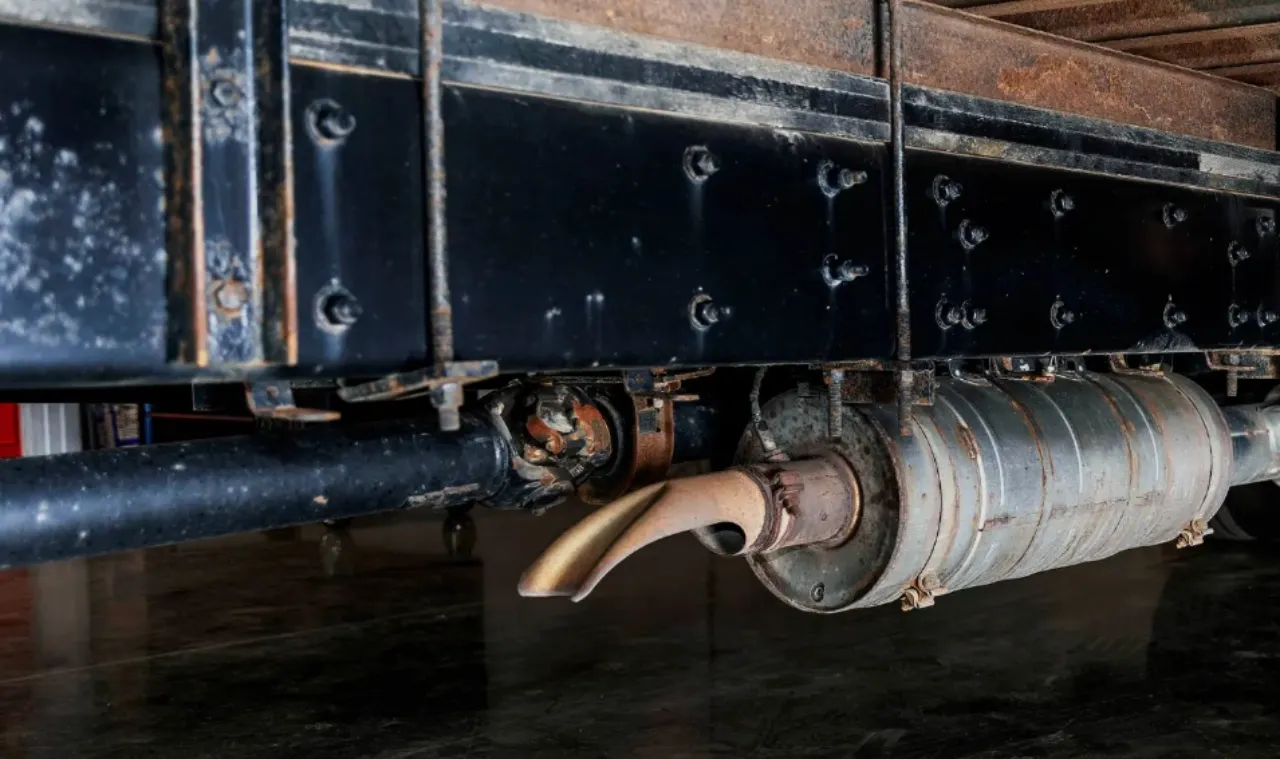
When your truck shows aftertreatment warnings, it’s tempting to seek a quick fix. However, choosing between DPF cleaning and replacement depends on the filter's condition, truck operation, and whether it's routine ash or permanent damage. A diesel particulate filter traps particulate matter; while regeneration burns off soot, it does not remove ash, which must be removed through service, sometimes requiring filter replacement.
For many trucks, DPF service starts with cleaning because it handles routine ash build-up. However, replacement is necessary when the filter substrate is cracked, melted, contaminated, or no longer reusable according to the manufacturer's guidelines. In other words, a plugged filter doesn't always mean you need a new one, but not every warning light justifies another cleaning cycle either. The right choice comes from proper diagnosis, not guesswork.
What A DPF Actually Does
A diesel particulate filter is part of the truck’s aftertreatment system. Its purpose is to trap soot and particulate matter before these emissions exit the tailpipe. During normal operation, the truck undergoes regeneration to elevate exhaust temperatures and burn off accumulated soot.
This process is vital but only removes combustible material. Ash from engine oil additives, fuel additives, and trace non-combustible contaminants remains in the filter and gradually fills the substrate space. Over time, this ash increases restriction and decreases filter capacity.
That distinction is important because many owners confuse DPF regeneration with DPF cleaning. Regeneration occurs on the truck and targets soot buildup. Cleaning is a separate process that removes ash after the filter has been taken out of service.
EPA technical guidance notes that periodic ash removal is necessary and that cleaning intervals vary based on engine-out particulate matter, duty cycle, and overall engine condition.
When DPF Cleaning Is Usually The Right Choice
In most cases, DPF cleaning is the correct first step when the filter is loaded with ash but remains structurally sound. EPA guidance states that DPFs require periodic cleaning to remove non-combustible ash, and manufacturer service literature also identifies onboard service monitors or ash load monitors as the proper trigger for maintenance. If the filter housing and substrate are still reusable, cleaning is often the most practical and cost-effective route.
This is especially true when the truck has reached a normal service interval, and the complaint is elevated backpressure, reduced regeneration effectiveness, or a maintenance alert tied to ash accumulation rather than catastrophic failure. Donaldson’s technical material describes standard DPF cleaning as a staged process that may include pulse cleaning and, when needed, thermal regeneration to remove hydrocarbons and unburned particulate matter before the remaining ash is evacuated.
For a working fleet, that means professional DPF cleaning often makes sense when:
- The Filter Is Ash-Loaded, Not Broken: Ash buildup is a common maintenance issue. It occurs naturally as part of a diesel truck’s emissions system operation. If diagnostics show a clean filter with no cracks, melting, or contamination, cleaning is generally suitable.
- The Truck’s Service Monitor Indicates Routine Maintenance: Modern engines often use an ash load monitor or onboard service indicator to signal when the DPF needs attention. That is a maintenance event, not necessarily a failure event.
- The Restriction Is Caused By Incomplete Regeneration Or Normal Duty-Cycle Buildup: A truck that idles heavily, runs short routes, or spends much time under light load may struggle with regeneration. This pattern can increase soot buildup and lead to more frequent service, even if the filter is still usable. Frequent cleanings may indicate incomplete regeneration or a maintenance issue.
What DPF Cleaning Can and Cannot Fix
A proper DPF cleaning service can restore flow by removing ash and residual particulate matter. Depending on the system and service method, this may involve heat treatment, air pulse cleaning, or both. Donaldson literature describes pulse cleaning as a way to remove ash and particulate matter, while thermal regeneration is used when deeper cleaning is needed to burn off remaining hydrocarbons and unburned particulate matter before a final ash removal step.
Cleaning cannot fix physical damage: If the ceramic substrate is cracked, melted, or otherwise damaged, no cleaning machine can restore its original structure. Similarly, if upstream engine problems have severely contaminated and damaged the filter, cleaning may not return it to safe or durable service. For example, Cummins guidance specifically states that reuse depends on whether the DPF is considered suitable for reuse under its guidelines.
That is why a truck should never be scheduled for DPF cleaning based solely on a dashboard light. Restriction data, fault codes, service history, and a physical evaluation of the filter all matter. A cleaning is a maintenance solution, not a cure-all.
When DPF Replacement Becomes The Better Decision
There comes a point when replacing the DPF is the smarter, safer, and often more cost-effective choice. If the filter is no longer reusable according to the manufacturer’s standards, cleaning only delays the necessary repair. Reuse guidelines must be followed to determine whether an aftertreatment DPF is suitable for continued use.
They also note that field cleaning might be a cost-effective option for initial service, but hardened ash can become more troublesome over time. Replacement is commonly the correct move in the following situations:
- The Filter Substrate Is Cracked Or Melted: A damaged ceramic core reduces filtration and flow. Once the substrate is physically compromised, the problem is no longer just ash restriction. The filter may not work properly even if it appears cleaner after maintenance. Manufacturer reuse standards are in place because not every removed DPF should be returned to service.
- The DPF Has Reached The End Of Its Practical Service Life: Repeated service cycles, hardened ash deposits, and long-term thermal stress can diminish the filter's effectiveness over time. Cummins notes that extended maintenance intervals can lead to more stubborn ash buildup, which impacts filter performance and might make replacement more appealing than continued cleaning.
- There Is Heavy Contamination From Other Engine Or Aftertreatment Faults: A DPF often indicates a deeper issue like excessive oil, injector problems, failed sensors, or regeneration faults that overload the filter. EPA guidance states that frequent cleaning suggests incomplete regeneration or maintenance problems. Cleaning alone won't fix the root cause, leading to repeated failures.
- The Filter Fails Reuse Criteria: This is one of the clearest distinctions between cleaning and replacement. If inspection reveals the DPF isn't suitable for reuse, replacement is the proper repair method.
Common Symptoms That Do Not Tell The Whole Story
Drivers often notice the same warning signs whether the truck needs cleaning or replacement. That is why symptoms should initiate the diagnostic process, not terminate it.
- Frequent Regeneration Events: If the truck is regenerating more frequently than usual, the DPF might be blocked. However, this blockage could be caused by ash buildup, excessive soot production, or an engine issue that produces abnormal particulate emissions.
- Loss of Power or Increased Exhaust Backpressure: A stricter restriction in the aftertreatment system can affect engine performance and trigger fault codes. Monitoring exhaust backpressure is a key indicator of when DPF cleaning is necessary.
- Warning Lamps And Derate Concerns: An ash load monitor or warning lamp can indicate that service is due, but it does not, by itself, prove that the filter must be replaced. Many trucks alert the operator when maintenance is required, well before the filter is beyond recovery.
Why The Root Cause Matters More Than The First Repair
A truck comes in with a restricted DPF filter, the filter gets cleaned, and the same problem returns far too quickly. EPA guidance makes it clear that unusually frequent cleanings often indicate incomplete regeneration or another upstream maintenance problem. That means the shop must look at the broader aftertreatment system, the engine condition, and the truck’s duty cycle.
For example, a truck that spends most of its time idling, running short stop-and-go routes, or operating at low exhaust temperatures may have difficulty completing normal regeneration. Similarly, an engine with excessive oil consumption can lead to faster ash buildup. In both cases, the issue may not be with the DPF itself. Cleaning the filter without fixing operating conditions or engine faults makes maintenance a recurring cost.
How A Shop Determines Whether To Clean Or Replace
A solid recommendation typically results from multiple checks rather than a single observation.
- Electronic Diagnostics: Fault codes, regeneration history, and service monitor data can show whether the truck is experiencing ash loading, a failed regeneration cycle, or a broader aftertreatment problem.
- Backpressure and Restriction Evaluation: The EPA considers exhaust backpressure one of the best indicators for when cleaning is necessary. Restriction trends help differentiate between a regular service interval and a more serious failure pattern.
- Physical Inspection Of The Removed Filter: Once the filter is removed, the technician can assess if it is reusable based on the manufacturer's criteria. This step often determines whether to perform DPF cleaning or replace the DPF.
- Review of Engine Condition and Duty Cycle: Frequent short-route operation, poor regeneration conditions, or unresolved engine faults can all affect the recommendation. A serviceable filter might still need cleaning, but the root cause must also be fixed if the owner wants the repair to last.
So, Which One Does Your Truck Actually Need?
In simple terms, your truck probably needs DPF cleaning when the filter is loaded with ash, still structurally intact, and indicated for regular maintenance by diagnostics or an onboard service monitor. Your truck likely requires DPF replacement when the filter is damaged, fails reuse criteria, has reached the end of its practical service life, or is so contaminated and repeatedly fails that cleaning no longer makes technical or financial sense.
The true answer, then, isn't based on which option seems cheaper today. It's about whether the DPF is still repairable and whether the root cause of the restriction has been identified. That’s the difference between fixing the problem once and paying for the same issue again.
Conclusion
DPF cleaning versus DPF replacement is not a matter of choice. It depends on the condition, diagnostics, and long-term reliability. Cleaning is suitable for normal ash buildup in a reusable filter.
Replacement is necessary when the filter is damaged, no longer reusable, or consistently fails due to deeper mechanical or aftertreatment issues. The best repair is the one supported by inspection, data, and an honest assessment of the filter’s condition.
If your truck is showing regeneration problems, backpressure faults, or repeated aftertreatment warnings in Midland, TX, or Odessa, TX, Alpha Diesel Services can help you determine whether the right solution is DPF cleaning, DPF replacement, or a broader repair to correct the underlying cause.
Contact Us
Get in touch with Alpha Diesel Services in Midland & Odessa, Texas today to schedule the services you require, or for more information on how we can help!


Shops
Odessa: 11056 W Kassnar Dr, Odessa, TX 79764 United States
