.webp)
Ignoring a Leaking Axle Seal? Why Midland Fleets Should Fix It Before the Damage Spreads
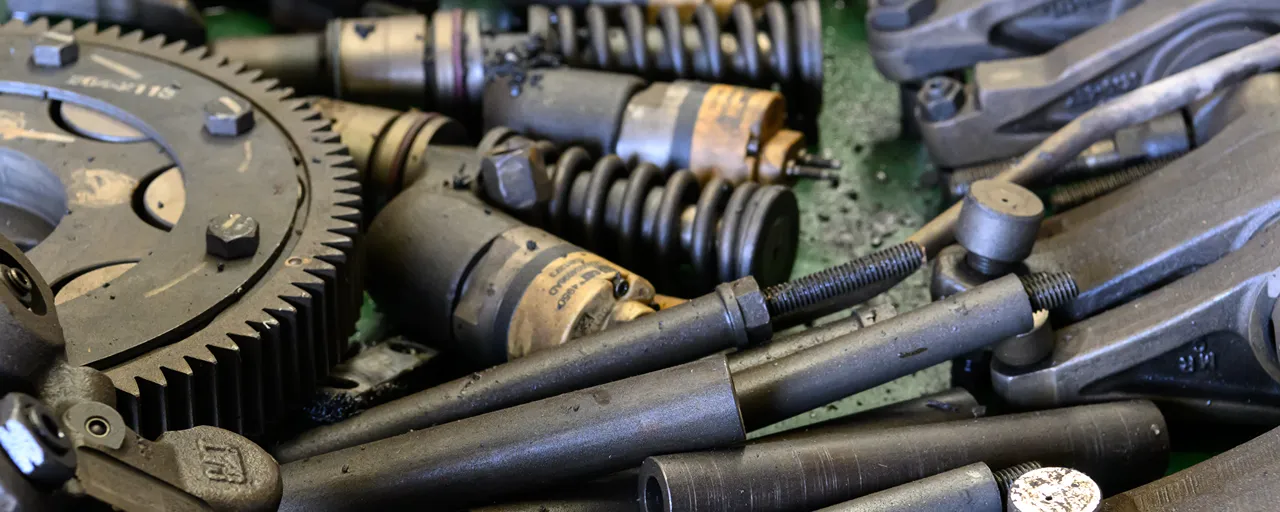
You spot fresh oil around an axle end, but the truck still drives normally. With another loaded run waiting on I-20 or SH 349, wiping it clean and dealing with it later can seem reasonable.
The problem is that a leaking axle seal is already allowing lubricant to escape from a system that depends on proper lubrication. Catching the leak early can keep a relatively contained repair from turning into damaged bearings, internal axle work, contaminated brakes, or an unexpected breakdown.
What Does a Leaking Axle Seal Actually Mean?
An axle seal has a straightforward job: keep lubricant where it belongs. When that seal starts leaking, the visible oil is only part of the concern because the axle lubricant level may continue dropping as the truck racks up miles and operating hours.
That matters on Midland commercial trucks that rarely spend their days lightly loaded. Vacuum trucks, tankers, tractor-trailers, and heavy service trucks often move between yards, highways, and Permian Basin jobsites during the same shift.
A small leak also doesn't tell you how much lubricant has already been lost. Before putting the truck back into service, a technician needs to determine the source of the leak, verify fluid level, and inspect nearby components for evidence that the problem has progressed.
How Can Lubricant Loss Lead to Bearing Damage?
Bearings need adequate lubrication to minimize friction as wheel-end and driveline components rotate. When a leaking axle seal allows the lubricant supply to fall too far, increased friction can create excessive heat and accelerate bearing damage.
Warning signs may include:
- Fresh oil around the hub or axle end
- Unusual wheel-end or axle noise
- Excessive heat near the affected assembly
- New vibration while driving
- Metal particles or contamination found during service
A truck does not need to display every symptom before damage has started. A Midland fleet unit can appear to operate normally while lubricant continues escaping mile after mile.
That risk becomes more significant when the truck heads out for another heavily utilized route. A tractor-trailer running I-20 or an oilfield tanker travelling south on SH 349 may accumulate substantial mileage before anyone looks at that axle again.
Can an Axle-Seal Leak Damage Differential Gears and Other Axle Parts?
Yes. On a drive axle, lubricant protects more than the components immediately beside the seal. The differential contains gears, bearings, and other moving parts that rely on the correct oil level to reduce friction and wear.
If lubricant loss continues, differential gears and bearings can operate with inadequate protection. A seal is a comparatively small component; gears, bearings, axle parts, teardown labour, and extended shop time are not.
That is why prompt commercial axle repair can make financial sense even when the truck is still moving under its own power. Waiting until a noise, vibration, or heat problem becomes obvious may mean the repair has already grown beyond replacing a seal and correcting the lubricant level.
For Midland fleets with high utilization, the cost difference can go well beyond parts. A truck tied up for a larger axle repair is a truck that is not hauling freight, moving fluids, servicing a field site, or completing its scheduled route.
When Can a Wheel Seal Leak Become a Brake Problem?
Some axle- or wheel-end leaks can allow lubricant to migrate toward braking components. If oil reaches brake friction material, the issue becomes more serious than a dirty wheel or low fluid level.
Brake contamination can reduce the ability of the affected friction surfaces to perform as intended. It can also create a commercial vehicle inspection concern, which is another reason technicians should determine how far the lubricant has travelled instead of simply cleaning the visible oil.
Not every wheel seal leak will contaminate the brakes. Still, once oil appears around a wheel end, the surrounding brake components should be inspected for signs of contamination before the truck returns to service.
A proper wheel-end repair evaluation may therefore involve more than installing a new seal. The technician should identify why the seal leaked, confirm the lubricant level, inspect the bearings and related hardware, and check whether oil reached areas where it should never be.
Why Are Midland Oilfield Fleets Especially Vulnerable to Delayed Repairs?
Midland's operating environment gives fleet managers plenty of reasons to keep trucks moving. That's exactly why a minor-looking leaking axle seal can be easy to postpone.
Oilfield fleets regularly combine demanding schedules with loaded operation, long duty cycles, highway mileage, and trips onto rougher lease or field roads. Vacuum trucks, tanker trucks, and heavy support units may leave paved corridors and spend hours working far from the shop.
Regional freight trucks face a different version of the same problem. I-20 carries a heavy volume of commercial traffic through Midland, while FM 1788 links industrial and commercial areas with major routes around the city.
The road itself isn't causing the seal to fail. The concern is what happens after the leak starts and the truck continues accumulating miles under normal commercial loads.
Texas commercial vehicles can legally operate with substantial axle loads depending on configuration and applicable rules. Keeping the axle lubricant at the correct level becomes especially important when bearings, gears, and axle components are doing real work day after day.
Midland is still warm at the back end of a long West Texas summer, and trucks may already have accumulated months of high-temperature operation and heavy utilization.
That makes early fall a sensible time to look closely for fresh oil around hubs and axle ends rather than assuming the fleet has already made it through the toughest part of the year.
What Should Technicians Inspect Before the Truck Returns to Service?
Replacing the failed seal may be necessary, but simply installing a seal without checking the surrounding system can miss damage that has already developed.
A professional axle inspection should include:
- Confirm the leak source. Make sure the visible oil is actually coming from the axle or wheel-end seal.
- Check lubricant level. Determine whether enough axle lubricant has escaped to threaten proper lubrication.
- Inspect bearings. Look for excessive heat, wear, looseness, metal contamination, or other signs of bearing damage.
- Evaluate internal components when warranted. Continued lubricant loss may justify closer inspection of gears and other drive-axle parts.
- Check braking components. Look for evidence of brake contamination where lubricant could have reached friction surfaces.
- Correct the cause, not just the evidence. Verify that the repaired assembly is properly sealed and lubricated before returning the truck to service.
The goal is not to turn every axle-seal replacement into a major teardown. It is to make sure a minor leak has not already created a bigger problem.
Why Does Early Axle-Seal Repair Usually Cost Less Than Waiting?
Fleet maintenance often comes down to controlling what you can control. A small leak discovered in a Midland yard is much easier to schedule than a damaged wheel end or axle that sidelines a loaded truck miles from home.
Early commercial axle repair can help prevent the chain reaction: lubricant loss leads to heat and wear, wear threatens bearings or gears, and a wheel-end leak may eventually reach brake components. Each additional problem adds parts, labour, inspection time, and downtime.
Schedule Your Axle-Seal Service in Midland
A leaking axle seal is easy to underestimate because the truck may still run perfectly well when the oil first appears. But once lubricant starts escaping, continuing to operate the truck gives that small problem more time to reach bearings, gears, wheel-end components, or brakes.
For Midland fleets working I-20, SH 349, FM 1788, and Permian Basin routes, catching the leak before the next demanding run can mean the difference between a planned seal repair and a much larger axle job.
If you notice oil around an axle end or wheel hub, give our team at Alpha Diesel Services a call at (432) 282-6680 and address the problem before avoidable damage spreads.
FAQs
Can you keep driving a commercial truck with a leaking axle seal?
Continuing to drive can allow more lubricant to escape and increase the risk of bearing, gear, or wheel-end damage. The safest maintenance approach is to inspect the leak promptly and verify lubricant level before returning the truck to normal service.
What happens if an axle seal leak gets worse?
A worsening leaking axle seal can lower the lubricant level enough to accelerate wear and heat in bearings or other axle components. In some wheel-end configurations, lubricant may also reach braking components and create brake contamination.
Does every leaking axle seal require bearing replacement?
No. A leaking seal does not automatically mean the bearings are damaged. Technicians should inspect the bearings and surrounding components for heat, wear, looseness, noise, or contamination before deciding what needs replacement.
Can axle oil get onto truck brakes?
Yes, depending on the location and progression of the leak. A wheel seal leak can sometimes allow lubricant to reach brake friction surfaces, which is why technicians should inspect the brake assembly whenever wheel-end leakage is discovered.
Why should Midland fleets fix axle leaks quickly?
Midland trucks often operate under demanding oilfield and regional freight duty cycles. Repairing a leak before another loaded I-20 or Permian Basin run can reduce the chance of lubricant loss progressing into a larger wheel-end repair, axle failure, or extended downtime.
Contact Us
Get in touch with Alpha Diesel Services in Midland & Odessa, Texas today to schedule the services you require, or for more information on how we can help!


Shops
Odessa: 11056 W Kassnar Dr, Odessa, TX 79764 United States
