.webp)
What Causes Frequent Fleet Breakdowns in West Texas?
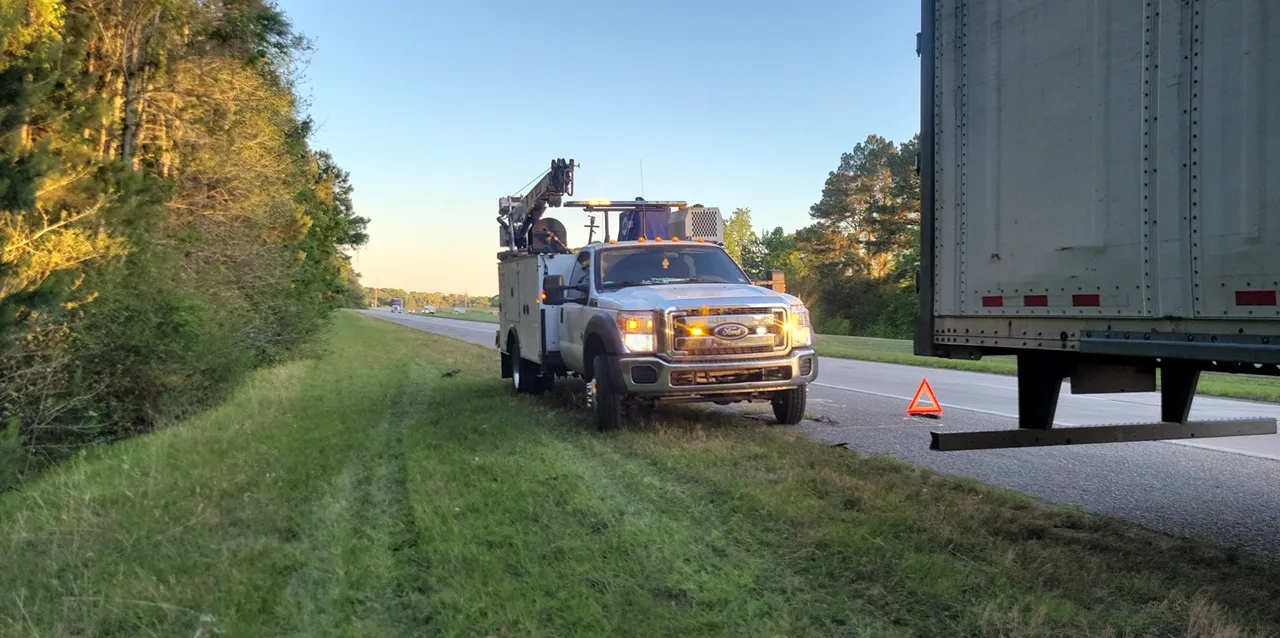
Frequent fleet breakdowns in West Texas are typically caused by extreme heat, heavy hauling, dusty oilfield conditions, and delayed maintenance that place constant stress on commercial trucks. Understanding these common causes helps fleet managers reduce downtime, prevent expensive repairs, and keep trucks operating reliably throughout Midland & Odessa, TX.
West Texas Creates One of the Toughest Operating Environments for Heavy-Duty Trucks
The conditions throughout Midland & Odessa, TX, place extraordinary stress on commercial vehicles. Unlike fleets operating in milder climates, trucks in the Permian Basin regularly contend with triple-digit temperatures, long idle times at job sites, rough lease roads, and continuous heavy loads.
Every one of these factors increases the workload on major vehicle systems. Engine temperatures rise faster, lubricants degrade more quickly, cooling systems work harder, and suspension components absorb relentless punishment over thousands of miles.
When these operating conditions are combined with high fleet utilization, even small maintenance issues can quickly develop into roadside breakdowns.
Cooling System Failures Are a Leading Cause of Fleet Breakdowns
Overheating remains one of the most common reasons heavy-duty trucks break down in Midland & Odessa.
During a typical West Texas summer, outside temperatures alone can exceed 100°F. Add steep grades, loaded trailers, extended idling at oilfield locations, or slow-moving traffic, and cooling systems can quickly reach their limits.
Common cooling system problems include:
- Radiator blockages caused by dust and debris
- Failing water pumps
- Worn fan clutches
- Coolant leaks
- Aging hoses
- Low coolant levels
Answering overheating warning signs immediately can prevent catastrophic engine damage that often follows continued operation.
Dust and Dirt Accelerate Component Wear
Fine dust is unavoidable throughout the Permian Basin.
Oilfield roads, construction sites, and unpaved lease roads constantly expose trucks to airborne contaminants. While modern filtration systems are designed to protect engines, excessive dust eventually finds its way into critical systems if filters aren't serviced regularly.
Dust contamination can affect:
- Air filters
- Fuel filters
- Turbochargers
- Engine sensors
- Cooling systems
- Electrical connectors
Restricted airflow forces engines to work harder while increasing fuel consumption and exhaust temperatures. Dirty cooling fins also reduce the radiator's ability to release heat effectively.
For fleets operating daily around Midland, TX, and Odessa, TX, shorter maintenance intervals often become necessary due to these environmental conditions.
Preventive Maintenance Delays Lead to Bigger Repairs
The fastest way to increase fleet downtime is to postpone scheduled maintenance.
Preventive maintenance is specifically designed to identify worn components before they fail unexpectedly. Regular inspections include checking fluids, belts, hoses, brakes, suspension components, tires, batteries, and other high-wear items that naturally deteriorate over time.
Many breakdowns begin as inexpensive repairs that go unnoticed.
For example:
- A small coolant leak can cause engine overheating.
- Low differential fluid damages expensive gears.
- Worn brake components reduce stopping performance.
- Minor oil leaks develop into lubrication failures.
Routine inspections cost significantly less than emergency roadside repairs, towing, lost productivity, and missed deliveries.
Heavy Hauling Places Extra Stress on Every Major System
The oil and gas industry demands constant movement of heavy equipment, drilling materials, pipes, machinery, and oversized loads.
Every additional pound increases stress throughout the truck.
Components under increased strain include:
Engine
Higher combustion temperatures require greater cooling capacity while increasing internal wear.
Transmission
Heavy loads generate more heat inside the transmission. Transmission fluid not only lubricates internal components but also removes heat from the system. Excessive temperatures shorten fluid life and accelerate transmission wear.
Driveline
Driveshafts, differentials, axle shafts, and universal joints constantly transfer increased torque when hauling heavy loads.
Suspension
Repeated heavy loading compresses suspension components continuously, causing bushings, springs, air bags, shocks, and mounting hardware to wear faster.
Without regular inspections, these systems gradually deteriorate until failure occurs.
Brake Systems Experience Continuous Wear
Commercial truck brakes work harder in West Texas than many drivers realize. Frequent stops, heavy payloads, uneven terrain, and constant hauling all contribute to faster brake wear.
Heavy-duty trucks rely on compressed air brake systems that use service chambers, slack adjusters, brake shoes, S-cams, and brake drums to safely stop large vehicles. Proper adjustment and maintenance are essential for reliable braking performance.
Ignoring brake maintenance can lead to:
- Reduced stopping power
- Uneven brake wear
- Air leaks
- Overheated brake components
- DOT violations
- Increased accident risk
Routine brake inspections remain one of the most important fleet safety practices.
Tire Problems Create Unexpected Downtime
Tire failures continue to rank among the most common roadside service calls. High pavement temperatures across West Texas dramatically increase tire operating temperatures, especially when combined with heavy loads and underinflation.
Common tire-related breakdowns include:
- Blowouts
- Sidewall damage
- Uneven wear
- Tread separation
- Punctures from oilfield debris
- Improper tire pressure
Routine tire inspections can identify many of these problems before they leave a truck stranded.
Aftertreatment System Problems Can Shut Down Modern Diesel Engines
Modern diesel trucks rely on complex emissions systems to meet federal regulations.
Components such as the Diesel Particulate Filter (DPF), Selective Catalytic Reduction (SCR) system, Diesel Exhaust Fluid (DEF) system, Diesel Oxidation Catalyst (DOC), and EGR system all work together to reduce harmful emissions.
However, these systems can experience problems when trucks frequently idle, operate in dusty environments, or miss routine maintenance.
Common aftertreatment issues include:
- Failed DPF regeneration
- DEF contamination
- Faulty sensors
- Clogged filters
- SCR efficiency faults
Because these systems communicate with the engine control module, even a relatively minor sensor failure can reduce engine performance or place the truck into derate mode.
Electrical Problems Become More Common as Fleets Age
Today's heavy-duty trucks depend on sophisticated electrical systems.
Batteries, alternators, wiring harnesses, sensors, and electronic control modules continuously communicate to manage engine operation, emissions, safety systems, and diagnostics.
Extreme temperatures accelerate battery deterioration while constant vibration loosens electrical connections.
Some of the most common electrical issues include:
- Weak batteries
- Charging system failures
- Corroded terminals
- Sensor malfunctions
- Damaged wiring
- Faulty alternators
Electrical inspections often catch these issues before they leave drivers stranded.
Driver Inspections Help Prevent Costly Breakdowns
One of the simplest ways to reduce fleet breakdowns starts before the truck even leaves the yard.
Daily pre-trip and post-trip inspections allow drivers to identify developing problems before they become expensive failures.
Drivers should routinely inspect:
- Fluid levels
- Tires
- Air pressure
- Lights
- Brake operation
- Belts and hoses
- Visible leaks
- Warning lights
Even a brief daily inspection can uncover issues that save thousands of dollars in repair costs later.
Preventive Maintenance Is the Best Defence Against Fleet Downtime
The harsh operating conditions throughout Midland & Odessa, TX make preventive maintenance more valuable than ever.
Instead of waiting for failures to occur, successful fleets schedule routine inspections, replace worn components early, monitor fluid condition, and address minor repairs before they become major breakdowns.
When trucks spend more time on the road than in the repair shop, productivity increases, operating costs stay lower, and customers receive dependable service.
For fleets working throughout the Permian Basin, staying proactive is a competitive advantage.
Frequently Asked Questions
Why do commercial trucks break down more often in West Texas?
The combination of extreme temperatures, long hauling distances, dusty roads, heavy payloads, and demanding oilfield operations causes components to wear more quickly than they would in less demanding environments. Without proactive maintenance, these conditions significantly increase the likelihood of breakdowns.
What truck systems fail most often in Midland and Odessa?
Cooling systems, brakes, suspension components, transmissions, tires, electrical systems, and diesel aftertreatment systems are among the most common sources of fleet breakdowns. These systems experience continuous stress while operating in the Permian Basin.
How can fleets reduce unexpected roadside breakdowns?
Following a preventive maintenance schedule, performing daily inspections, replacing worn parts before failure, monitoring fluid levels, and addressing warning signs early are some of the most effective ways to minimize downtime and extend vehicle life.
Does preventive maintenance save money for fleet operators?
Yes. Preventive maintenance helps identify small issues before they become major repairs, reducing emergency service calls, lowering repair costs, extending equipment life, and keeping trucks on the road where they generate revenue.
Contact Us
Get in touch with Alpha Diesel Services in Midland & Odessa, Texas today to schedule the services you require, or for more information on how we can help!


Shops
Odessa: 11056 W Kassnar Dr, Odessa, TX 79764 United States
